Category: Science News

  • A New Spin on Planet Formation

    A New Spin on Planet Formation

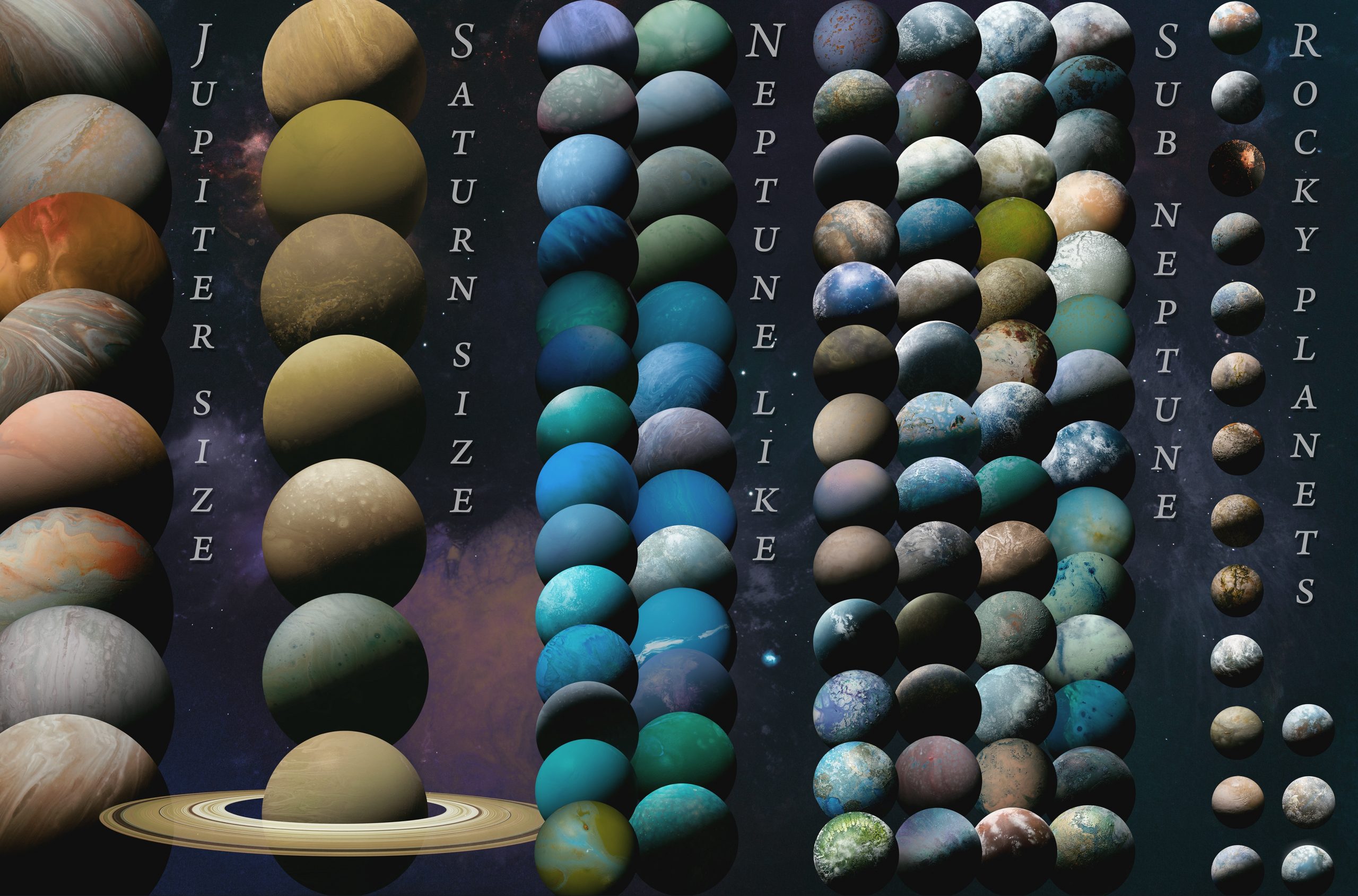
    The largest survey of exoplanet spins confirms long-predicted relationship between planetary mass and rotation Maunakea, Hawaiʻi – Astronomers using the W. M. Keck Observatory on Maunakea, Hawaiʻi Island, have confirmed a long-predicted relationship between planetary mass and rotation. By measuring the rotation rates of a large sample of directly imaged extrasolar planets and more massive…

  • Astronomers Find Compelling Evidence of a Star Collapsing Directly Into a Black Hole

    Astronomers Find Compelling Evidence of a Star Collapsing Directly Into a Black Hole

    Keck Observatory observations help constrain a long-predicted pathway for black hole formation Maunakea, Hawaiʻi – Astronomers using W. M. Keck Observatory on Maunakea, Hawaiʻi Island contributed key observations to the identification of a rare stellar death in which a massive star appears to have collapsed directly into a black hole without first exploding as a…

  • Advancing Astronomy Together: Keck Observatory at the AAS Winter Meeting

    Advancing Astronomy Together: Keck Observatory at the AAS Winter Meeting

    The winter meeting of the American Astronomical Society is the organization’s largest annual gathering, bringing together the global astronomy community for four full days of seminars, workshops, presentations, plenaries, and exhibits highlighting the latest discoveries and advances in the field. For Keck Observatory staff, the meeting is both an opportunity to share discoveries enabled by…

  • Astronomers Discover the First Galaxy-wide Wobbling Black Hole Jet in a Disk Galaxy

    Astronomers Discover the First Galaxy-wide Wobbling Black Hole Jet in a Disk Galaxy

    Rare, powerful jet strips star-forming gas from its host, offering new insight into how galaxies evolve Maunakea, Hawaiʻi – Astronomers using W. M. Keck Observatory on Maunakea, Hawaiʻi Island have uncovered the largest and most extended stream of super-heated gas ever observed flowing from a nearby galaxy, providing the clearest evidence yet that a supermassive…

  • Astronomers Reveal Hidden Lives of the Early Universe’s Ultramassive Galaxies

    Astronomers Reveal Hidden Lives of the Early Universe’s Ultramassive Galaxies

    A new multi-wavelength study shows that some ultramassive galaxies shut down star formation early, while others remain active but hidden by dust Media Contact: Meagan O’Shea Maunakea, Hawaiʻi – An international team of astronomers has uncovered multiple evolutionary paths for the universe’s most massive galaxies. Observations of ultramassive galaxies, each containing more than 100 billion…

  • Astronomers Pinpoint Black Holes as the Power Source Behind Mysterious Cosmic Flashes

    Astronomers Pinpoint Black Holes as the Power Source Behind Mysterious Cosmic Flashes

    Observations of AT 2024wpp reveal that luminous fast blue optical transients are driven by extreme stellar destruction—not supernovae Maunakea, Hawaiʻi – Astronomers analyzing data from an array of telescopes, including the W. M. Keck Observatory on Maunakea, Hawaiʻi Island, have determined that luminous fast blue optical transients (LFBOTs) are powered by an extreme tidal disruption…

  • “Superkilonova” A Star So Nice, It Explodes Twice

    “Superkilonova” A Star So Nice, It Explodes Twice

    Potential first-of-a-kind may have produced gravitational waves and light Media Contact: Meagan O’Shea Maunakea, Hawaiʻi – A team of astronomers using a variety of telescopes, including the W. M. Keck Observatory on Maunakea, Hawaiʻi Island, have discovered a possible “Superkilonova” that exploded not once but twice, evidence that this oddball event may be a first-of-a-kind…

  • Discoveries From Maunakea Reveal Hidden Worlds Around Accelerating Stars

    Discoveries From Maunakea Reveal Hidden Worlds Around Accelerating Stars

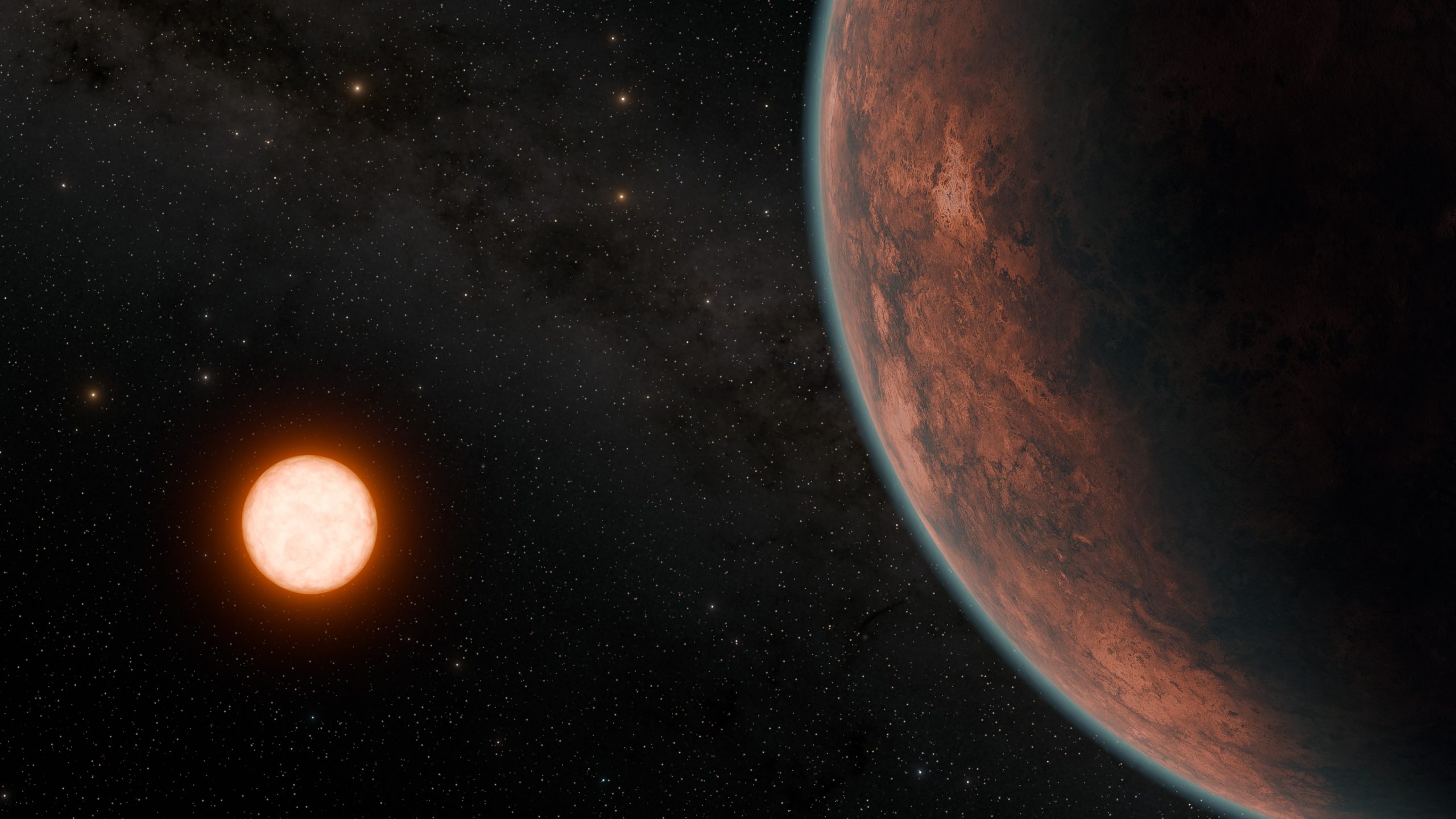
    Groundbreaking research from the W. M. Keck Observatory and the Subaru Telescope highlight Maunakea’s continued leadership in imaging new worlds Media Contact: Meagan O’Shea Maunakea, Hawaiʻi – Astronomers using W. M. Keck Observatory and the Subaru Telescope on Maunakea, Hawaiʻi Island have discovered a massive planet and a brown dwarf orbiting distant stars—two rare companions…

  • Astronomers Discover the First Gravitationally Lensed Superluminous Supernova

    Astronomers Discover the First Gravitationally Lensed Superluminous Supernova

    A cosmic magnifying glass reveals a record-distant explosion Media Contact: Meagan O’Shea Maunakea, Hawaiʻi – An international team of astronomers using a combination of ground-based telescopes, including the W. M. Keck Observatory on Maunakea, Hawaiʻi Island, has discovered the first-ever spatially resolved, gravitationally lensed superluminous supernova. The object, dubbed SN 2025wny, offers a rare look…

  • Astronomers Sharpen the Universe’s Expansion Rate, Deepening a Cosmic Mystery

    Astronomers Sharpen the Universe’s Expansion Rate, Deepening a Cosmic Mystery

    New results strengthen the “Hubble tension,” hinting at the need for rethinking our model of the universe Media Contact: Meagan O’Shea Maunakea, Hawaiʻi – A team of astronomers using a variety of ground and space-based telescopes including the W. M. Keck Observatory on Maunakea, Hawaiʻi Island, have made one of the most precise independent measurements…